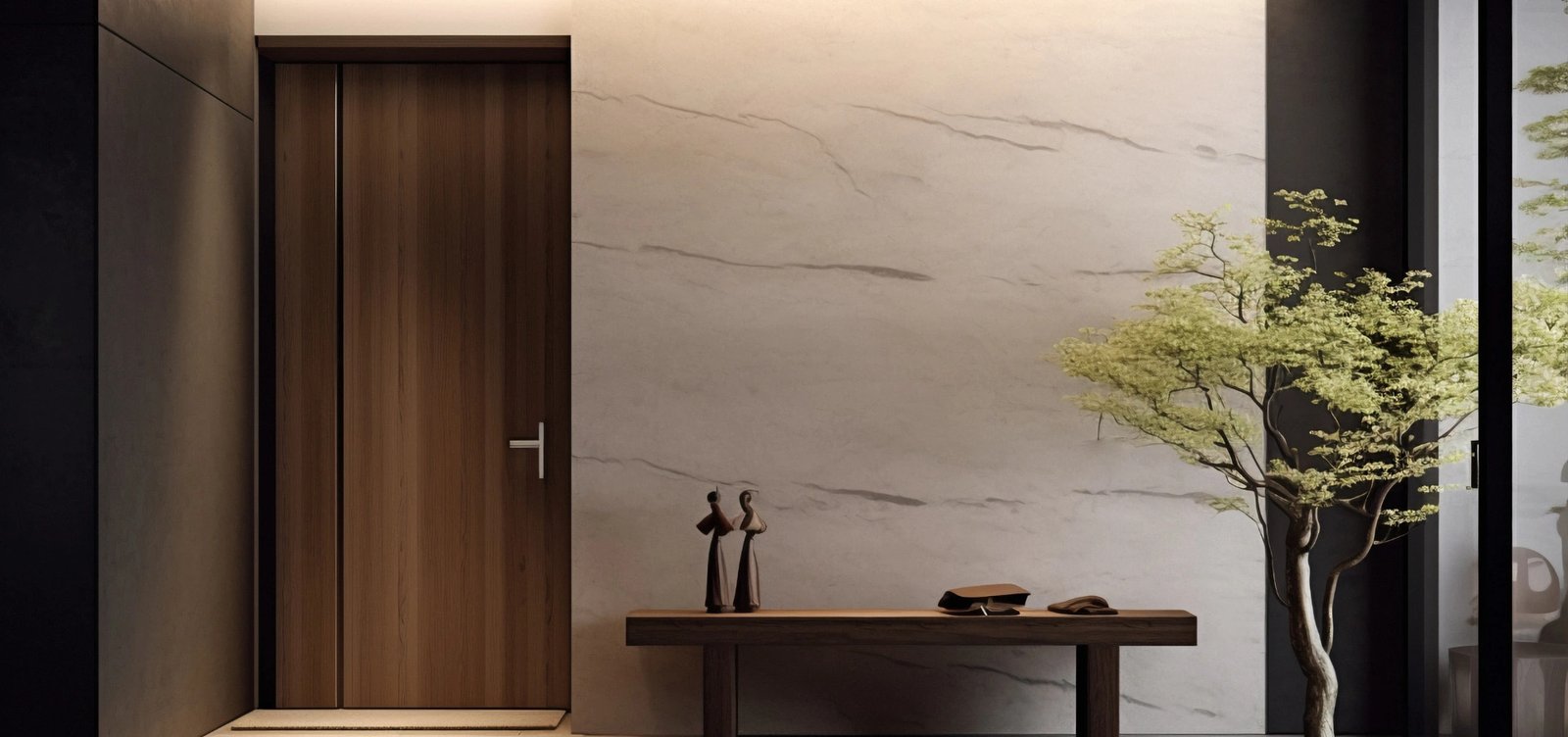
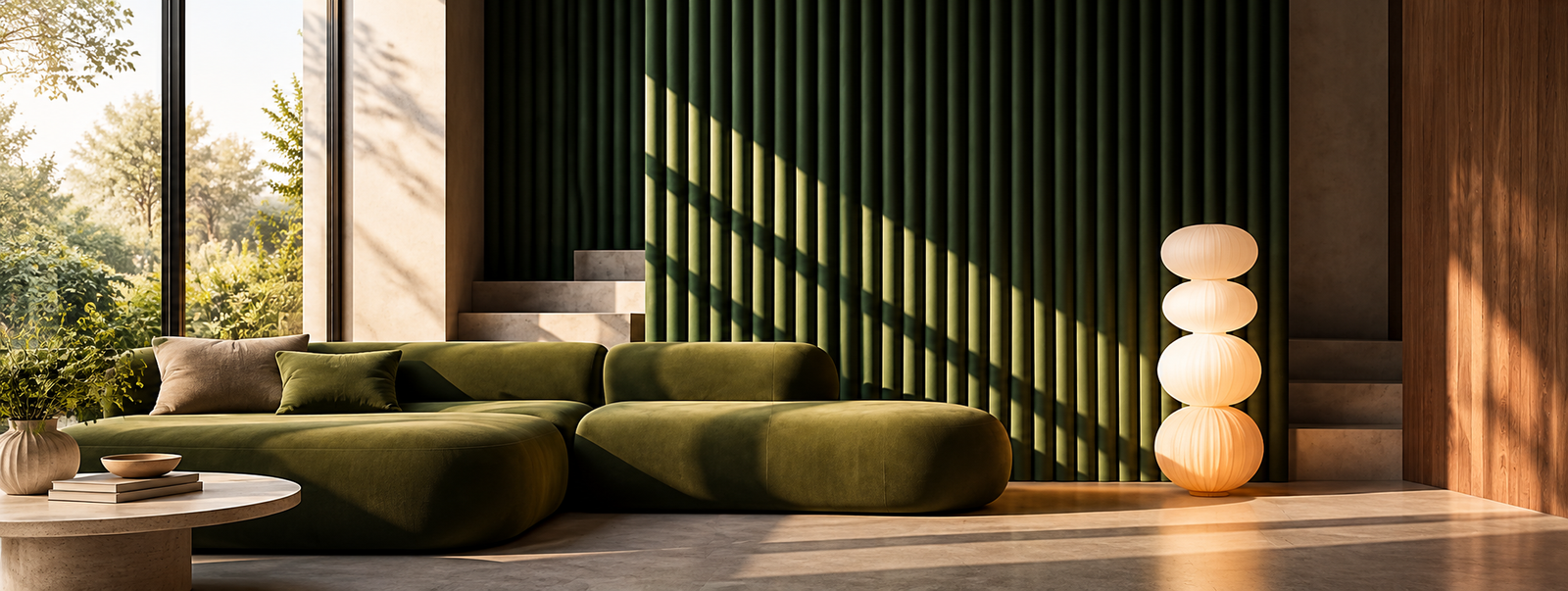
Every few years, a material comes along that quietly rewrites the rules of “simple” design. Right now, that material is the fluted panel. Walk into any newly designed cafe, boutique, or apartment lobby, and there’s a good chance you’ll spot it – vertical grooves running across a wall or cabinet front, catching light and shadow in a way flat surfaces simply can’t. It’s minimal, but never boring. Structured, but never cold.
At Flava, we design our fluted panel collections around exactly this idea: texture that feels architectural, not decorative. As a brand built on exclusive interior surfaces, we’ve watched fluting move from a niche detail to one of the most requested finishes among our design and architectural partners, and it’s easy to see why.
What Makes HDHMR the Right Base for Fluted Panels
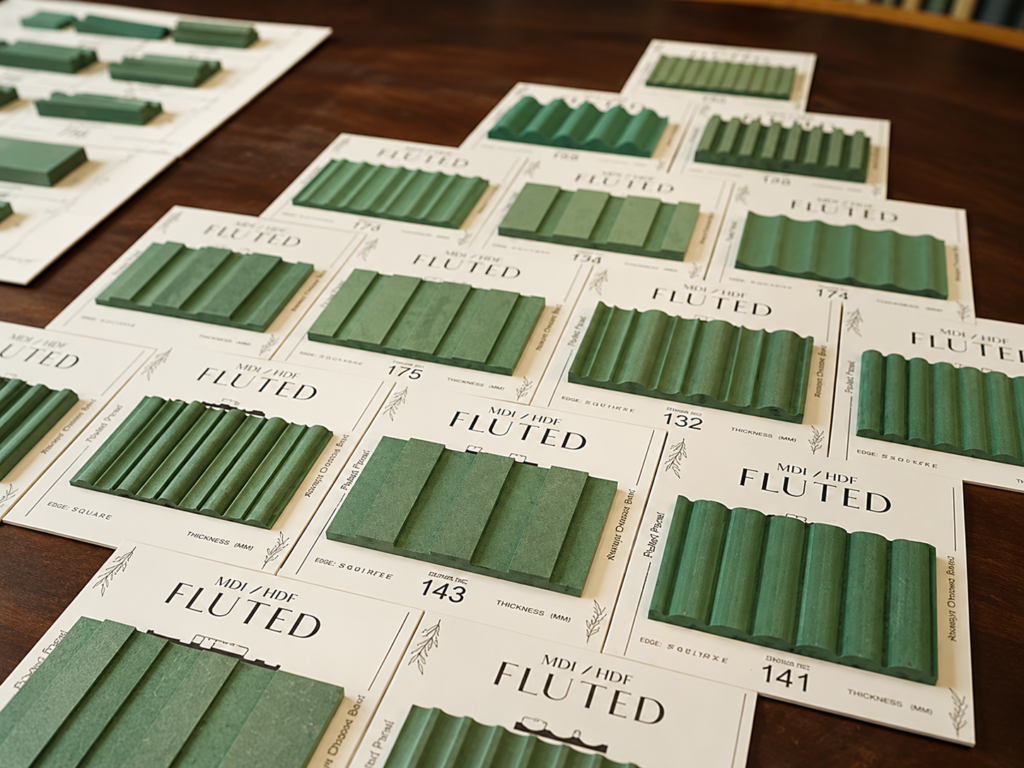
Fluting itself isn’t new – it’s borrowed from classical column design, where vertical grooves were carved into stone to add rhythm and visual height. What’s changed is the material carrying that pattern into contemporary homes.
HDHMR (High-Density High Moisture Resistant board) is denser and more stable than standard MDF or plywood alternatives, which matters enormously for a fluted panel design. Because the grooves are precision-routed into the board itself, the material needs to hold a crisp edge without chipping, swelling, or warping – especially in humid climates or moisture-prone areas like kitchens and bathrooms.
This is exactly why Flava builds its fluted panels on an HDHMR base rather than cutting corners with lighter boards. Our panels are engineered to hold their groove definition and finish quality well after installation – through Indian humidity, daily handling, and years of use. The pattern gives you the style, the board is what makes that style last, and that durability-first approach is core to how Flava designs every collection, not just this one.
Why Fluted Panels Are Everywhere Right Now
A few reasons this finish has taken over modern interior vocabulary:
- Texture without ornamentation. Fluted panels add depth and movement to a wall without relying on color, print, or pattern – which makes them effortlessly compatible with almost any interior style, from minimalist to warm-contemporary.
- They play with light. The grooves catch ambient and accent lighting differently throughout the day, so a plain wall becomes a subtly shifting surface rather than a static backdrop.
- They elongate space. Vertical fluting draws the eye upward, making low ceilings feel taller and narrow rooms feel less boxed in.
- They’re forgiving at scale. Unlike bold wallpaper or heavy inlay work, fluted panels read as elegant whether used on a single accent wall or across an entire room.
Where Fluted Panels Work Best
- Wardrobe and cabinet shutters – fluting turns storage into a design feature rather than something to visually minimize.
- TV and media walls – the vertical lines add presence behind a screen without competing with it.
- Reception and lobby walls – commercial spaces use fluted HDHMR panels to signal quality the moment someone walks in.
- Kitchen islands and panels – Its moisture resistance makes it a practical choice here, not just a decorative one.
- Partition walls and room dividers – fluting adds privacy-friendly texture while still letting light pass along the grooves.
Flava’s fluted panel range is built to serve all of these applications, whether the brief is a single residential accent wall or a full commercial fit-out.
Choosing the Right Fluted Panel Design
Not all fluting is the same, and the details matter more than people expect:
- Groove depth – deeper channels create stronger shadow lines and a bolder look; shallow grooves feel more refined and subtle.
- Spacing – tighter grooves feel dense and formal; wider spacing feels calmer and more contemporary.
- Finish – matte finishes lean minimal and Scandinavian; textured or wood-tone finishes lean warm and organic.
- Panel size – larger panels reduce visible joints for a more seamless wall; smaller modular panels offer flexibility for irregular spaces.
This is where working with a dedicated interior surfaces brand like Flava makes the difference – rather than picking a generic profile off a catalog page, our panels are developed as design-first ranges, so the groove depth, spacing, and finish are considered together as one cohesive look, not separate specs.
Why It’s Considered an “Upgrade,” Not Just a Trend
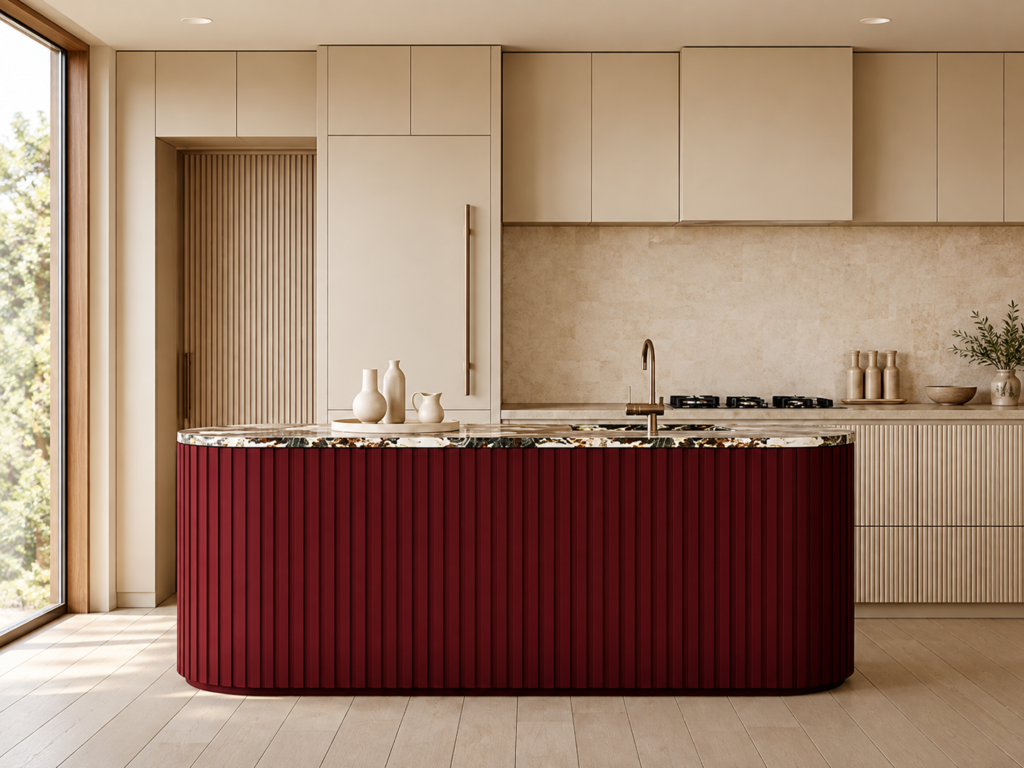
Flat panel walls and plain laminate shutters aren’t going anywhere, but fluted panels solve a very specific design problem: they add richness to a surface without adding visual clutter. That’s rare. Most ways of dressing up a wall- wallpaper, murals, heavy trims- either date quickly or dominate a room. Fluted panels do the opposite. They feel deliberate, architectural, and strangely timeless, which is exactly why designers keep returning to them for projects meant to last well beyond one season’s trend cycle.
The Takeaway
A room rarely needs more decoration – it usually just needs more depth. That’s the quiet power of a fluted panel: no color, no print, no ornament, just light and shadow doing the work of a design statement. It’s minimal in the way that actually takes restraint to pull off.
At Flava, we build every fluted panel on a dense, moisture-resistant HDHMR base, so the groove stays crisp, the finish stays true, and the design intent you specced is still the design intent standing in that room five years from now. That’s the difference between a panel that looks good in a render and one that looks good in real light, every single day.
If a space feels finished but flat, this is usually the fix.
Ready to see it in your space? Explore Flava’s fluted panel collection or get in touch with our team for samples, finishes, and specifications for your next project.