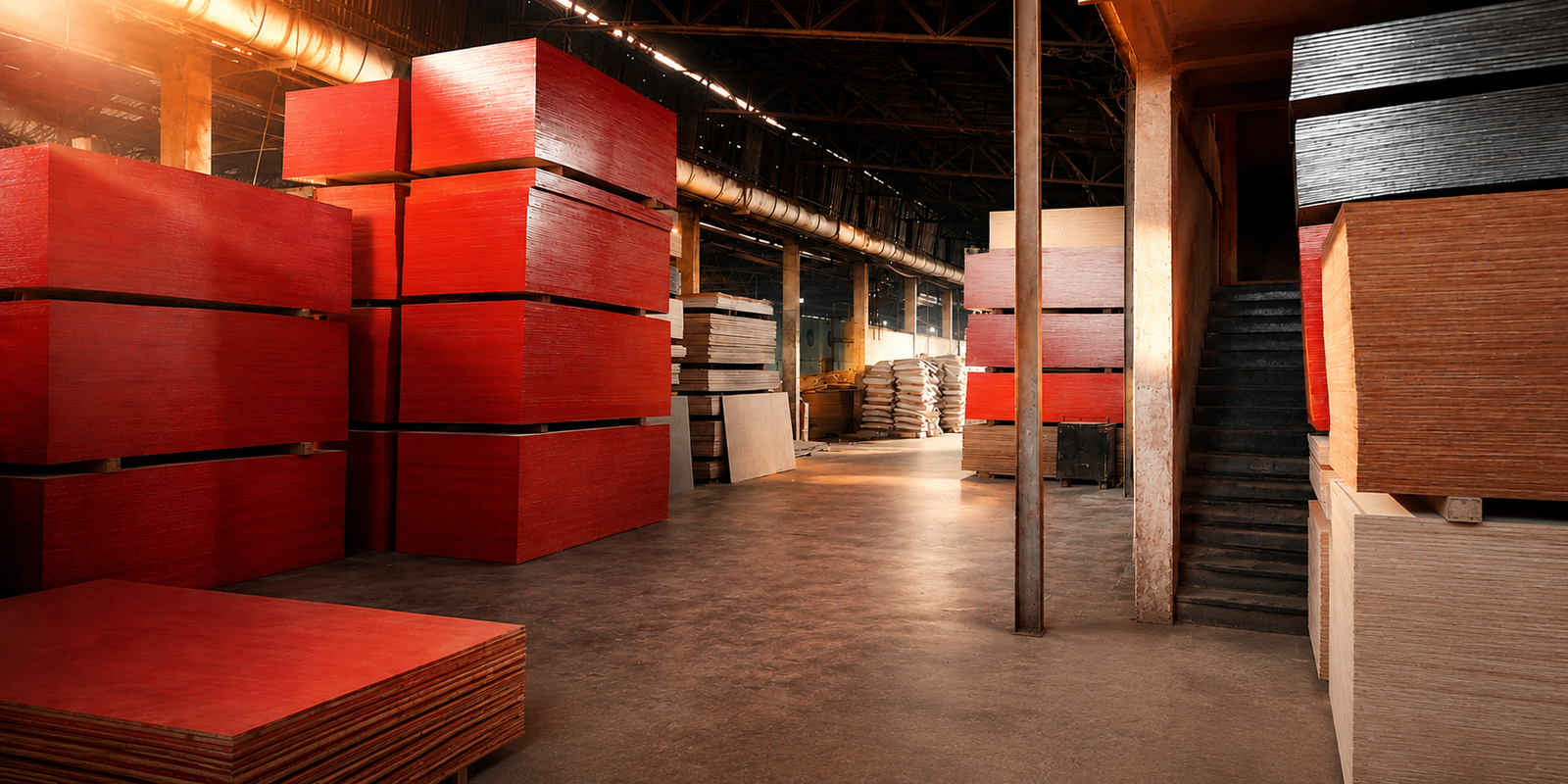
For contractors, builders, and construction professionals, choosing the right plywood can directly affect a project’s quality, efficiency, and finish. Shuttering plywood is specifically designed for formwork applications, where the sheets are used to create moulds for pouring concrete.
Flava, a Bangalore-based destination for interior and architectural materials, has a strong connection to plywood supply, having evolved from a business that originally supplied shuttering plywood and timber. Today, Flava offers a wider range of plywood and interior materials for residential and commercial projects.
But with different grades, thicknesses, and qualities available, how do you choose the best shuttering plywood for your project?
Why Is the Quality of Shuttering Plywood Important?
Construction sites expose materials to moisture, pressure, handling, and repeated use. Poor-quality sheets may warp, delaminate, break at the edges, or produce an uneven concrete surface.
Good-quality shuttering plywood should maintain its structural integrity during use and provide a reasonably smooth, consistent face for concrete formwork.
For contractors, this means looking beyond the initial purchase cost. A sheet that can be safely reused multiple times may offer better overall value than a cheaper sheet that deteriorates quickly.
7 Things Contractors Should Check Before Buying Shuttering Plywood
1. Check the Plywood Grade
The grade is one of the first things to consider. Different plywood products are manufactured for different applications, so make sure the sheet is intended for the type of formwork you are planning.
Do not assume that ordinary interior plywood is suitable for construction shuttering simply because it has a similar appearance.
2. Check the Thickness
The required thickness depends on the formwork design, support spacing, concrete pressure, and application.
Thicker sheets can provide greater rigidity, but simply choosing the thickest plywood available is not always necessary. Contractors should select the thickness according to the structural requirements of the formwork system.
3. Inspect the Surface
The face of the plywood should be reasonably smooth and consistent, particularly when the concrete finish matters.
Inspect the sheet for:
- Uneven surfaces
- Cracks
- Open joints
- Surface damage
- Delamination
- Excessive knots or defects
A better surface can contribute to a cleaner concrete finish and reduce the need for extensive finishing work.
4. Look at the Core Construction
Don’t judge a plywood sheet only by its outer surface.
Examine the edges to understand the quality and consistency of the internal layers. A well-constructed sheet should have properly bonded layers without obvious gaps or weak areas.
Core quality is particularly important when the plywood will be cut, fixed, removed, and reused during construction.
5. Consider Moisture Resistance
Concrete formwork involves significant exposure to moisture. Shuttering plywood should therefore be capable of handling the conditions expected on the construction site.
However, moisture resistance does not mean the sheets can be left exposed to rain or stored incorrectly for extended periods. Proper handling and storage remain important for maintaining plywood performance.
6. Assess Reusability
One of the biggest considerations when buying plywood shuttering sheets is how many times they can realistically be reused.
Reusability depends on the quality of the plywood, type of formwork, handling during removal, cleaning practices, and storage conditions.
A contractor should therefore consider the cost per use, rather than looking only at the price of one sheet.
7. Check Quality Standards and Supplier Reliability
Before purchasing, verify the product specifications and relevant quality certifications where applicable.
Buying from an established supplier also makes it easier to get consistent material, technical information, and support when purchasing larger quantities.
Flava highlights quality checks across its product range and provides plywood and shuttering plywood as part of its broader portfolio of interior and architectural materials.
What Makes the Best Shuttering Plywood?
There is no single sheet that can be called the best shuttering plywood for every construction project.
The right choice depends on the type of formwork, expected concrete pressure, number of reuses, site conditions, and required concrete finish.
A good shuttering plywood should offer a practical balance of:
Strength + dimensional stability + surface quality + moisture resistance + reusability
Contractors should also make sure that the plywood specification matches the requirements of the particular formwork system rather than selecting a product based purely on price.
Shuttering Plywood vs Regular Plywood
Regular plywood is commonly used for furniture, cabinets, partitions, and other interior applications. Shuttering plywood, on the other hand, is intended for temporary construction formwork.
The two may look similar, but their intended applications and performance requirements are different.
Flava’s plywood range covers different applications, while its product portfolio specifically includes Shuttering Plywood as a separate product category.
Using the correct plywood for the intended application helps avoid unnecessary material problems and improves project efficiency.
How Should Contractors Store Shuttering Plywood?
Even good-quality plywood can be damaged through poor storage.
For better protection:
- Store sheets on a level, supported surface.
- Keep them away from standing water.
- Avoid prolonged exposure to direct weather conditions.
- Keep the edges protected from unnecessary damage.
- Stack sheets neatly to prevent bending.
- Handle them carefully during transportation and installation.
Proper storage can help maintain the condition of the sheets and improve their potential for reuse.
Choosing Shuttering Plywood for Your Project
Before placing a bulk order, contractors should consider the project requirements, expected number of uses, formwork design, and environmental conditions.
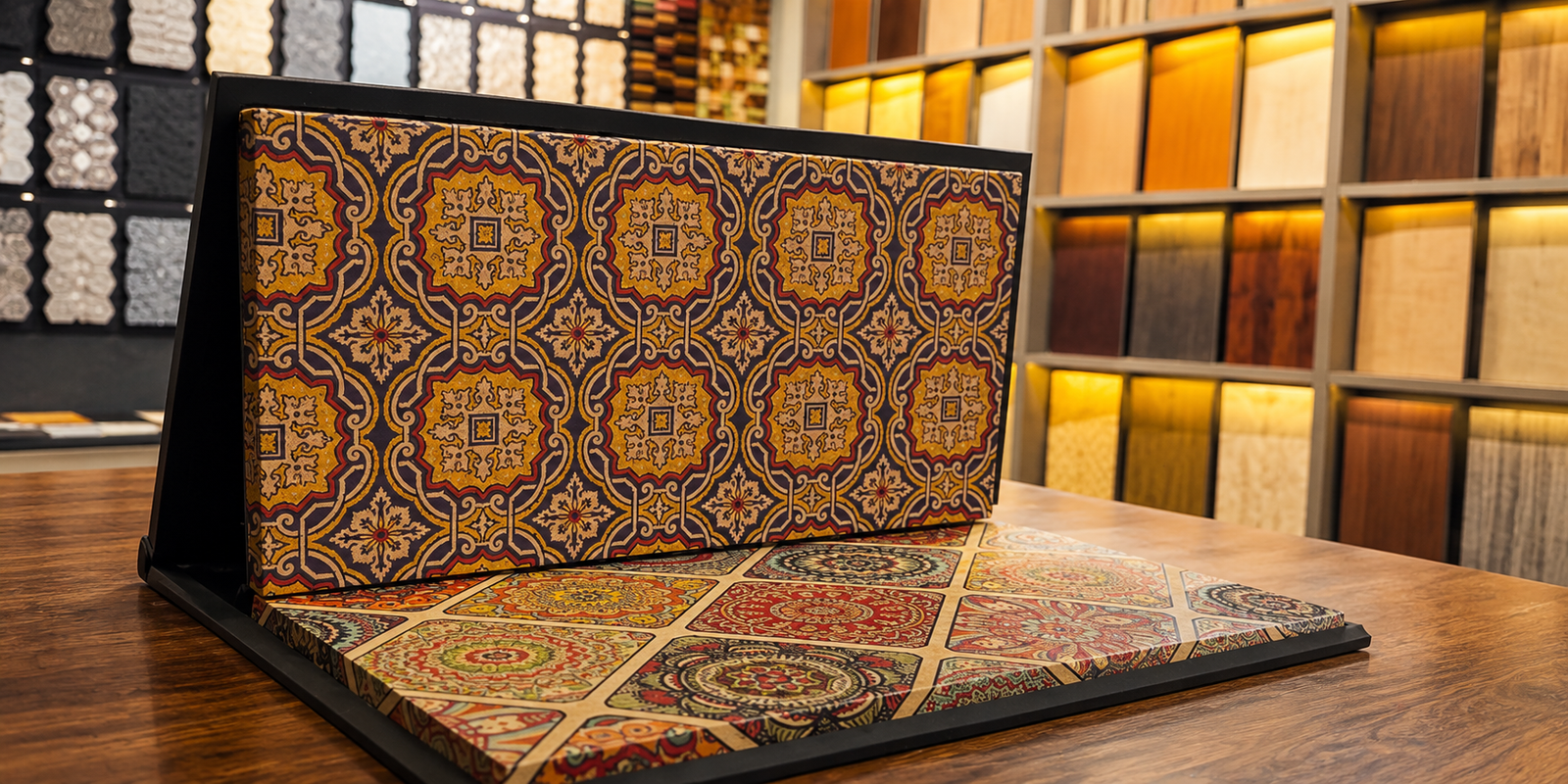
At Flava, customers can access a range of plywood products along with other materials used across interior and architectural projects. Its experience centre in Bangalore allows professionals to view and compare materials in person before making a selection.
Final Takeaway
Choosing shuttering plywood is not simply about finding the lowest-priced sheet. Contractors should evaluate the grade, thickness, core construction, surface quality, moisture resistance, durability, and potential reusability.
The best shuttering plywood is ultimately the one that matches the requirements of the project and delivers reliable performance throughout the formwork process.
If you’re sourcing plywood shuttering sheets for a construction project, understanding these factors before purchasing can help you make a more practical and informed material decision.