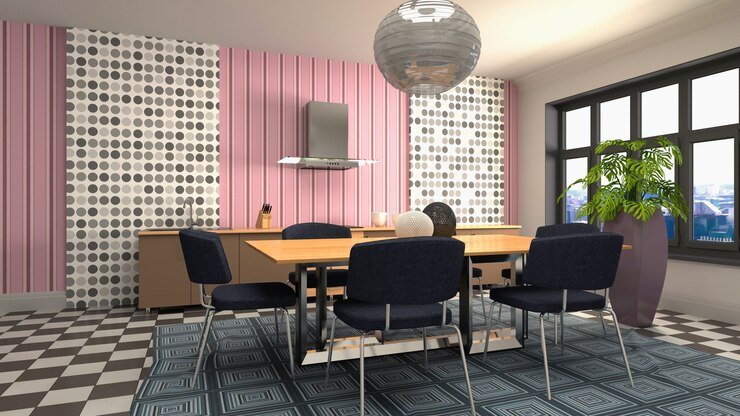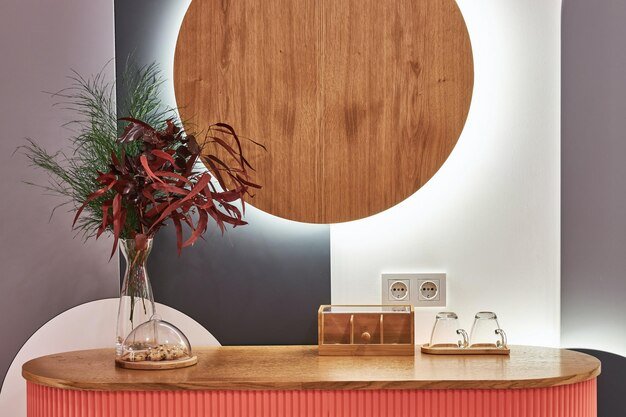

Your walls present an enormous chance to define your area when it comes to the interior design of your house. Painting has traditionally been the go-to option, but the warmth, texture, and stylish appearance of interior wall paneling are the main reasons for its quick rise in popularity.
Here’s a quick guide to help you choose between painting and paneling, since at FLAVA, we think your walls should represent your individuality and way of life.
Interior Wall Paneling: Why Choose It?
Many homes and businesses use interior decorative wall panels these days. They provide sophisticated, traditional, or rustic designs with a modern twist and are incredibly versatile and easy to install. Whether it’s for a bedroom, living room, or hallway, there are a ton of creative options for interior wall panel designs.
Why Opt for Interior Wall Paneling?
Interior wall paneling is a contemporary and useful substitute for traditional painting when it comes to enhancing your interiors. Interior decorative wall panels provide longevity, ease of care, and visual depth in contrast to paint, which is textureless and requires periodic touch-ups. In the long term, they are a cost-effective alternative because they are simple to clean and eliminate the need for constant restorations.
The materials utilized to make interior ornamental wall panels include acrylic, natural wood, MDF, and PVC, each of which has special qualities and textures. With so many different wall panel designs available, wall paneling presents an effective case for being a more intelligent and contemporary option than painting for both modern and vintage rooms.
Key Differences Between Paneling and Painting
| Feature | Wall Paneling | Painting |
| Aesthetic | Textured, stylish, modern or classic | Smooth, clean, endless color options |
| Durability | Long-lasting, resistant to damage | May chip, scratch, or fade over time |
| Maintenance | Easy to clean, minimal upkeep | Needs regular repainting or touch-ups |
| Insulation | Offers thermal and sound insulation | Provides no extra insulation |
| Installation | Slightly complex, some DIY-friendly | Simple, quick application |
| Cost | Higher upfront, long-term value | Budget-friendly, higher upkeep over time |
Why Not Make Use of Both?
Mixing materials is encouraged in modern design. A wood-paneled TV wall or headboard area combined with neutral paint elsewhere is an example of how to blend painted walls with an accent interior wall paneling element. The warmth and depth of interior decorative wall panels are combined with the crisp finish of paint in this combination.
What Should You Pick?

Think about these points:
- Fashion: Do you like texture and depth? Use wall panels. Do you want color updates quickly? Adhere to the paint.
- Functionality: Noisy or busy spaces? Paneling is more effective.
- Budget: Panels provide long-term savings, while paint is less expensive up front.
- Type of Room: Paneling works well in living rooms and bedrooms, whereas paint may work better in kitchens and bathrooms
Explore Flava’s Creative Range of Offerings
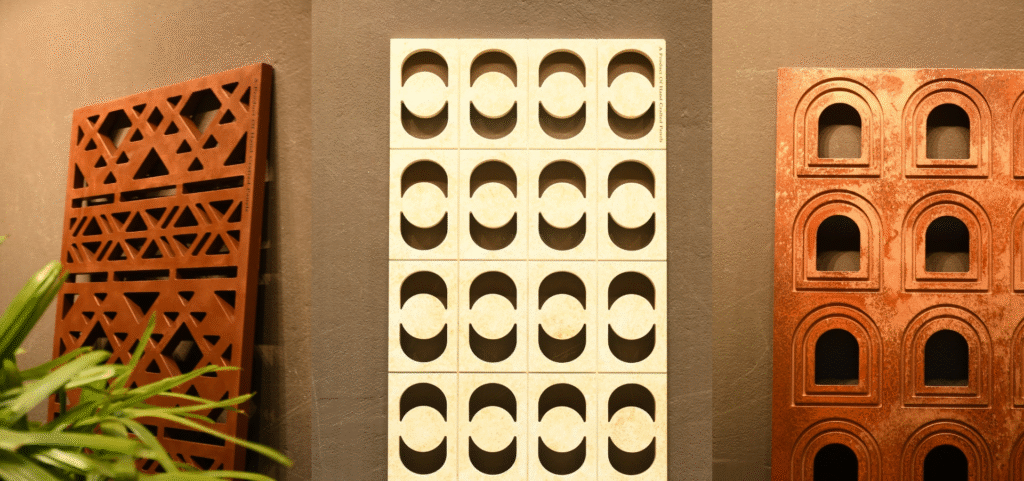

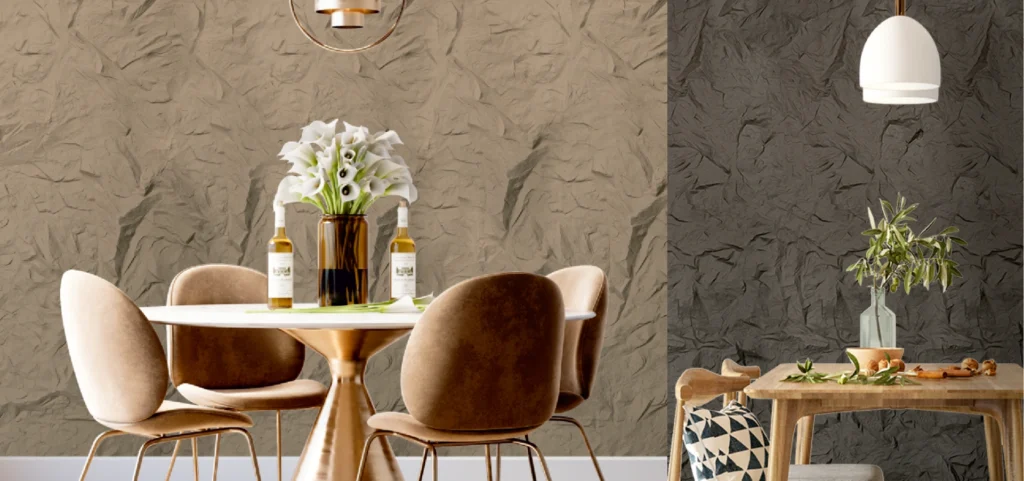
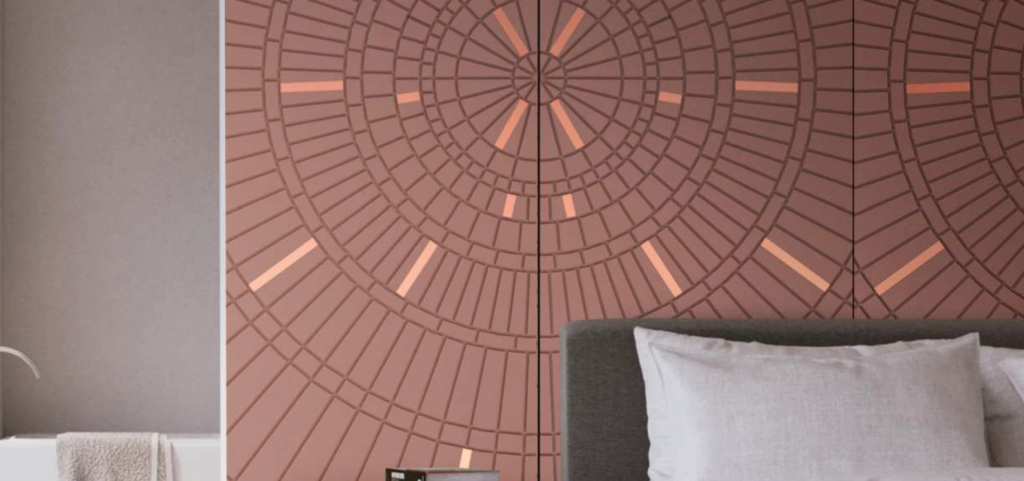

Use FLAVA to Redesign Smarter
Painting and interior wall paneling each have advantages. While interior decorative wall panels add elegance, durability, and character, paint is straightforward and adaptable. FLAVA gives you access to high-quality interior wall panel designs that enable you to develop stunning and useful interior spaces.
Are you prepared to update your walls? Visit flava.in to browse FLAVA’s collection and speak with one of our design advisors for professional guidance right now!